




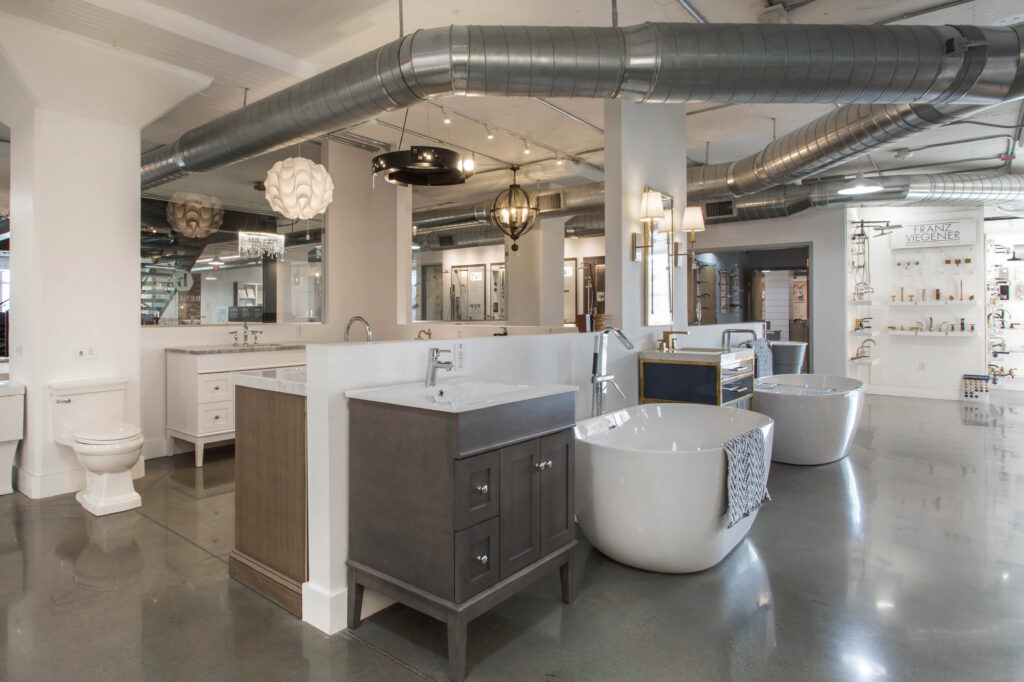

Freestanding, soaking, clawfoot: what’s the difference?
Start shopping for a new tub and three words come up again and again: freestanding, soaking and clawfoot. They’re often used as if they mean the same thing, and some tubs can be all three at once. No wonder so many homeowners walk into the showroom unsure which one they actually want.
Here’s the simplest way to sort them out. “Freestanding” describes how the tub is installed. “Soaking” describes how deep it is. “Clawfoot” is one classic freestanding style. Once you know which question each word answers, it’s much easier to decide what’s right for your bathroom.
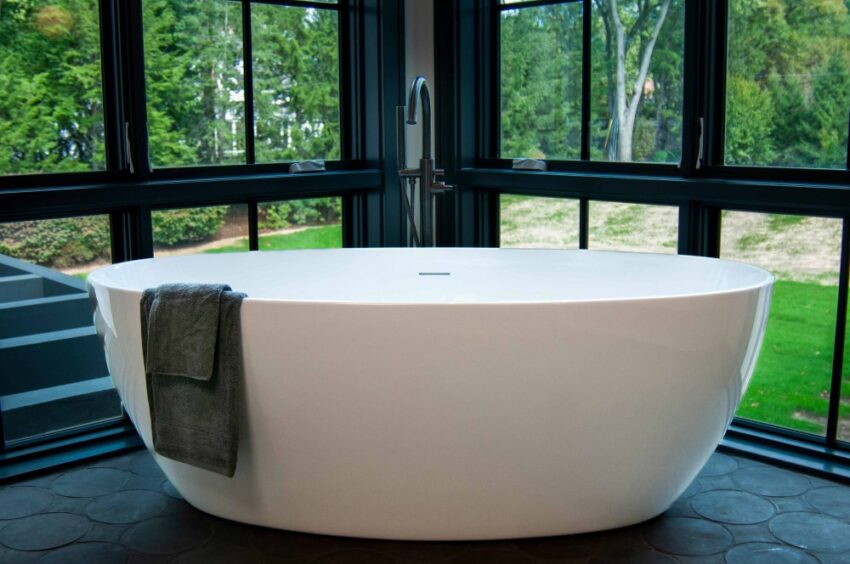
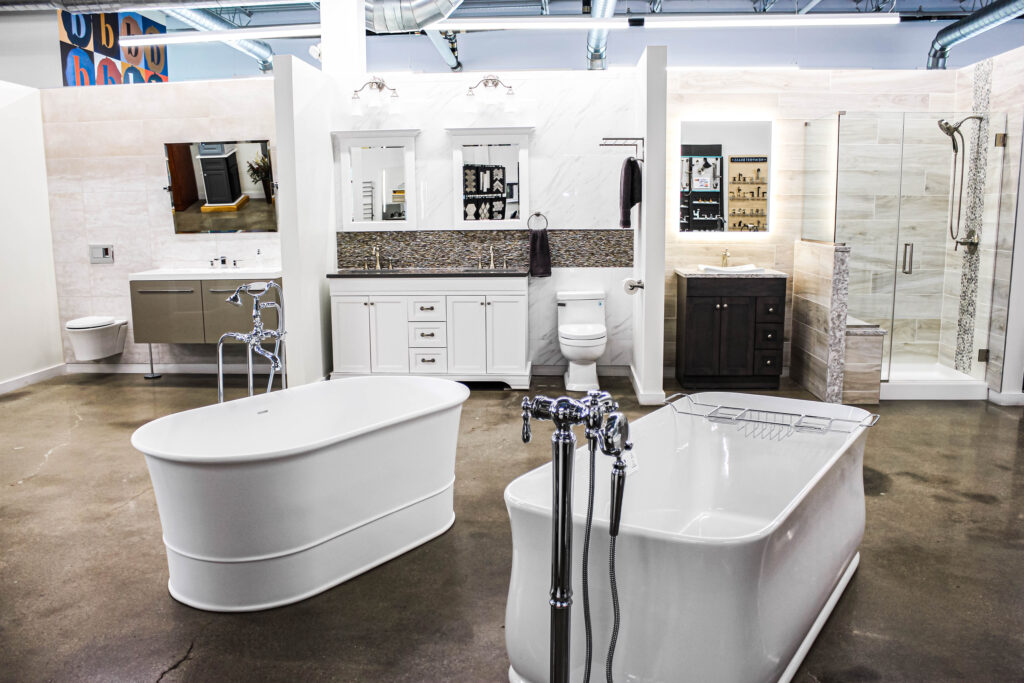
Freestanding tub: Any tub finished on all sides that doesn’t need walls to support it. Modern freestanding bathtubs usually sit flat on the floor with a clean, sculpted shape: oval, rectangular or a softly curved tub that’s higher at one or both ends.
Soaking tub: A soaking tub is built deep enough for the water to reach your shoulders, usually with more water depth than a standard 14 to 15 inch alcove tub. Many freestanding tubs are soaking tubs, but soaking tubs also come in drop-in and alcove versions for tighter bathrooms. If a long, hot soak is the reason you’re remodeling, depth matters more than style.
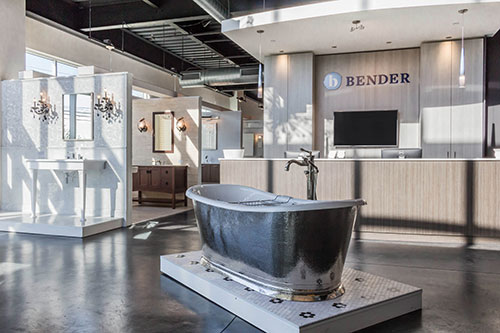
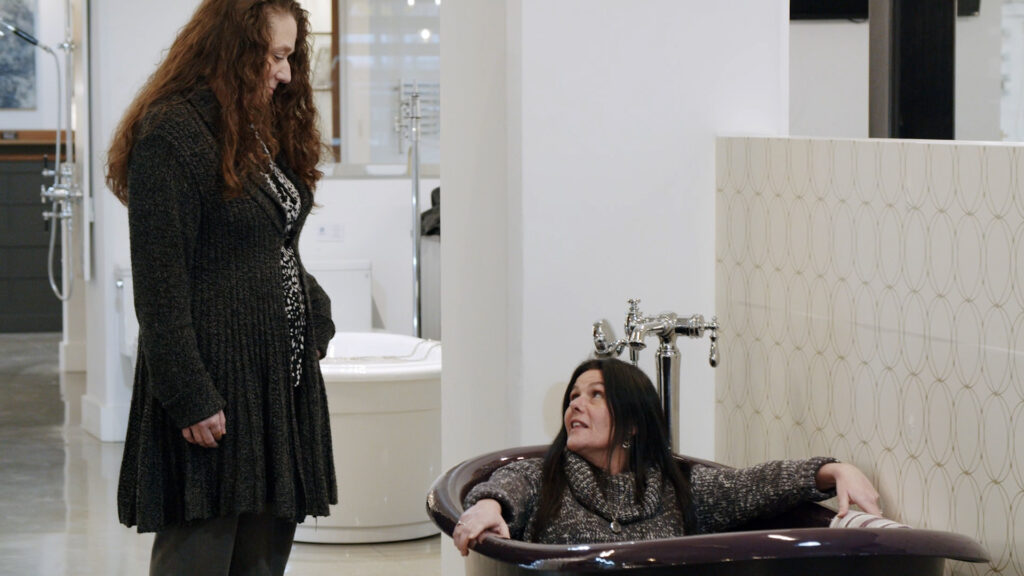
Clawfoot tub: The original freestanding tub, raised on four decorative feet. Clawfoot tubs suit traditional, farmhouse and vintage-inspired bathrooms, and the feet can be finished to match your faucets: polished nickel, brass, matte black or chrome. Slipper styles, with one raised end, are made for reclining.
Choosing a Material and Size
The material affects how warm the water stays, how heavy the tub is, and how it feels against your skin.
Acrylic: lightweight, warm to the touch and the most budget-friendly. It’s the most common choice for modern freestanding tubs, and the easiest to install on an upper floor.
Solid surface / stone resin: a matte, stone-like finish with excellent heat retention. Heavier than acrylic, and minor scratches can usually be buffed out.
Cast iron: the classic clawfoot material. It’s very durable and holds heat for a long time, but it’s extremely heavy, so check with your contractor about floor support.
Copper and natural stone: statement pieces with a one-of-a-kind look. They’re the heaviest and most expensive options, and they need specific care.
Size it to your room, and to you. Freestanding tubs commonly run from about 55 to 72 inches long. Before you fall in love with one, measure your space and leave room to walk around the tub and clean behind it. The best test is a real one: sit in the tub at the showroom. Back angle, length and depth feel very different in person than they look online.
Freestanding Tub Fillers: The Finishing Piece
Because a freestanding tub sits away from the wall, it usually needs its own tub filler. You have three main options:
- Floor-mounted tub filler. A tall faucet that rises from the floor next to the tub. It’s the signature look for a freestanding tub, but the supply lines run up through the floor, so the location has to be set before tile goes down.
- Wall-mounted tub filler. A good fit when the tub sits close to a wall. It keeps the floor clear and is often simpler to plumb.
- Deck-mounted tub filler. Mounted on the tub’s rim. It only works on tubs with a wide enough deck or pre-drilled faucet holes.
Most tub fillers include a hand shower, which makes rinsing hair and cleaning the tub much easier. Match the filler’s finish to your other bathroom fixtures, or mix metals on purpose: a brushed gold filler against a matte black vanity faucet, for example. Our post on how to mix metals in the bathroom covers how to do it well.
Planning Tips Before Buying
A little planning up front avoids the most common freestanding tub surprises.
- Check the floor. A filled cast iron or stone tub can weigh well over 1,000 pounds with water and a bather. Ask your contractor to confirm the floor can carry it.
- Locate the drain. Freestanding tubs drain through the floor. Confirm whether your tub has a center or end drain, and plan the plumbing around it.
- Plan the tub filler at the same time. A floor-mounted filler needs rough-in before tile, so choose it together with the tub.
- Mind your water heater. A deep soaking tub can hold far more water than a standard tub. Make sure your water heater can fill it with hot water.
- Leave clearance. Leave enough space around the tub to clean behind it comfortably and to step in and out safely.
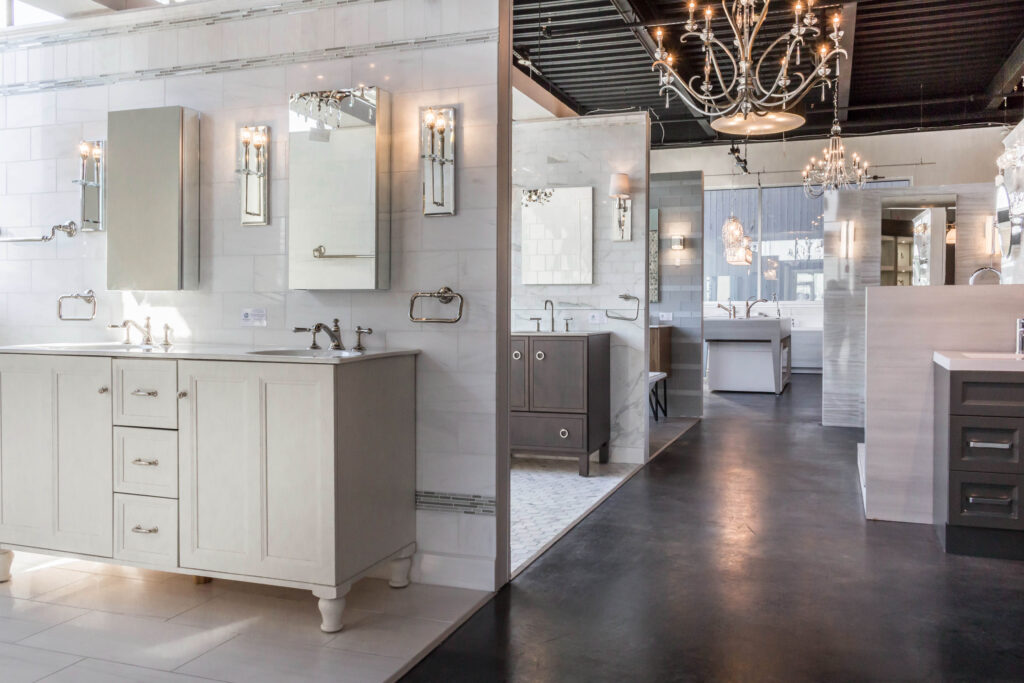
Remember, photos can’t tell you how a tub feels. At Bender’s bathroom showrooms, you can sit in freestanding and soaking tubs, compare materials side by side, and pair your tub with the right tub filler and finishes.
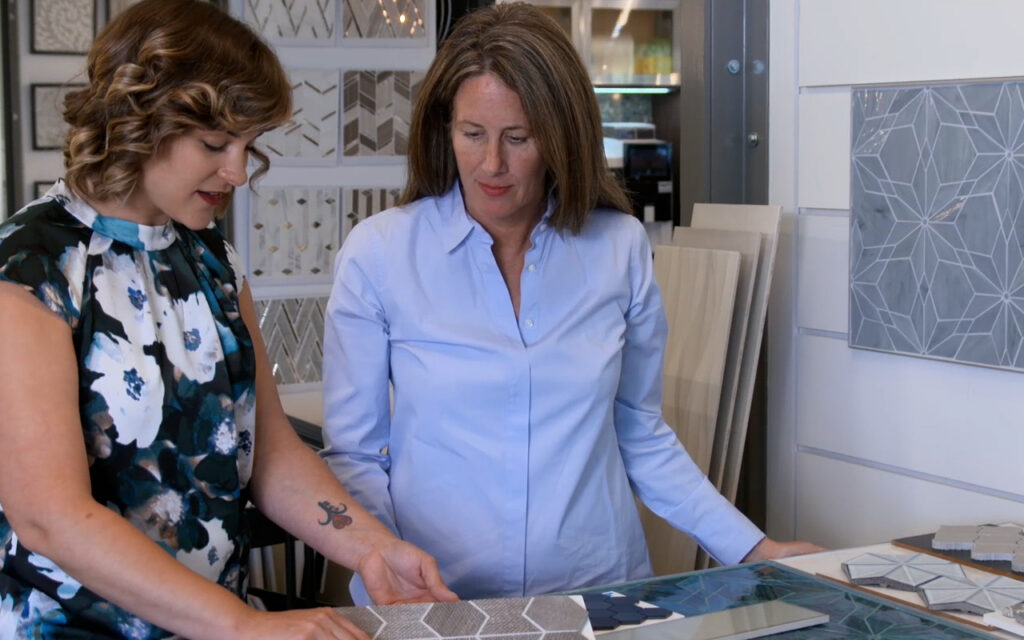
Our showroom consultants work with homeowners, designers and contractors across Connecticut. We carry tubs from brands including Oceania, Kohler, Crosswater, and more. We’ll help you work through the details, from drain placement to which filler fits your floor plan.