



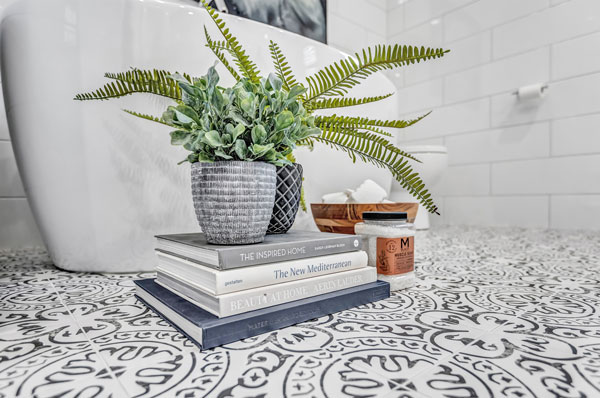
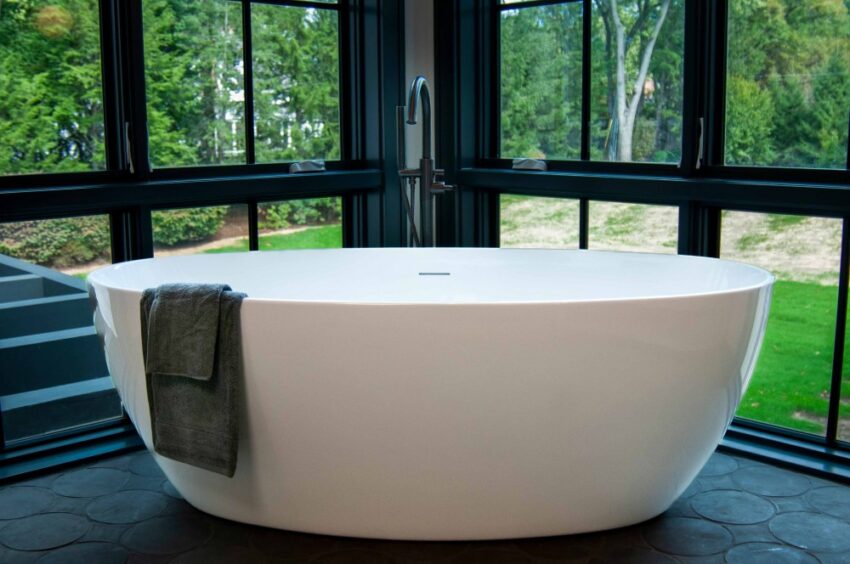
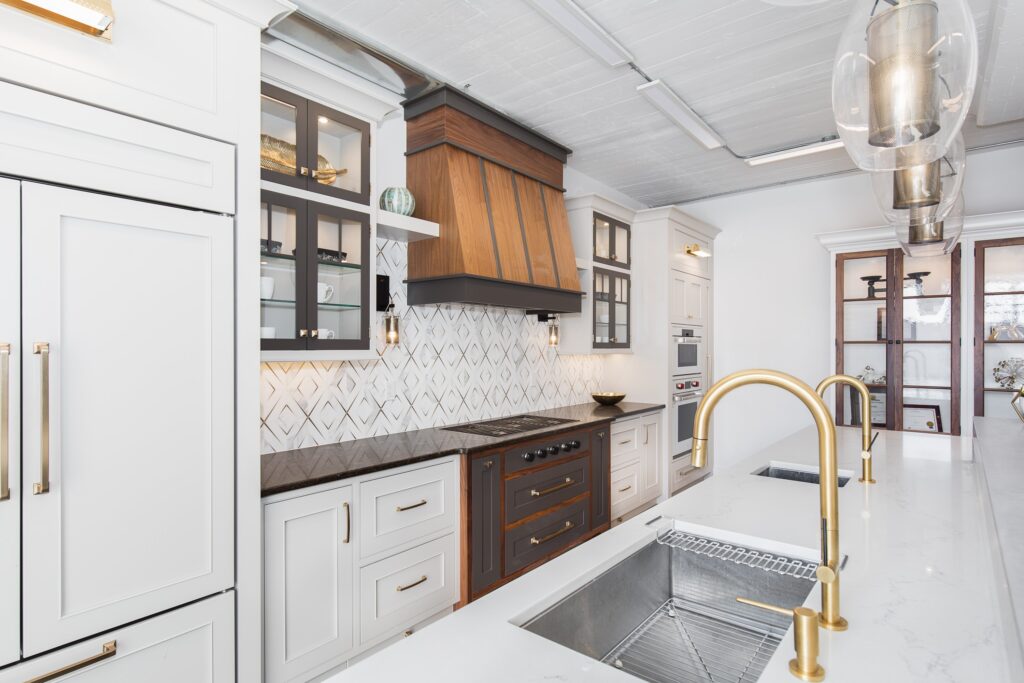



Tile can set the tone for an entire kitchen or bathroom. A textured backsplash brings character to simple cabinetry, expansive shower walls create a calm backdrop, and a mosaic floor introduces detail underfoot.
But choosing tile involves more than finding a look you love. The right selection also depends on where it will be installed, how you use the space, and the maintenance you’re comfortable with. Understanding those differences can help you create a room that looks beautiful and works for everyday life.
Understand Your Tile Options
Start with the material, then explore the sizes, finishes, and layouts available within it.
Ceramic tile offers a wide range of colors, glazes, and textures. It’s a versatile option for backsplashes and bathroom walls, including designs with a handcrafted appearance. Some ceramic products are suitable for floors, but wall tile should never be assumed to work underfoot.
Porcelain tile is generally denser and less absorbent than non-porcelain ceramic tile. Available in everything from solid colors to stone and wood looks, it offers options for walls, floors, and wet areas when the specific product is rated for that use.
Natural stone tile, including marble, limestone, travertine, and slate, brings distinctive variation to a room. Its care requirements depend on the stone and finish. Some products require sealing, and acid-sensitive stones need protection from acidic cleaners and spills.
Glass tile adds depth and reflected light, making it worth exploring for backsplashes and decorative accents. Suitability varies by product, so confirm whether your selection can be used on shower walls or other wet surfaces.
Mosaics and large-format tiles describe size and format rather than material. A mosaic might be glass, porcelain, or natural stone, while large-format tile and slabs offer broader surfaces with fewer joints.
Kitchen Backsplashes: Balance Personality with Practicality
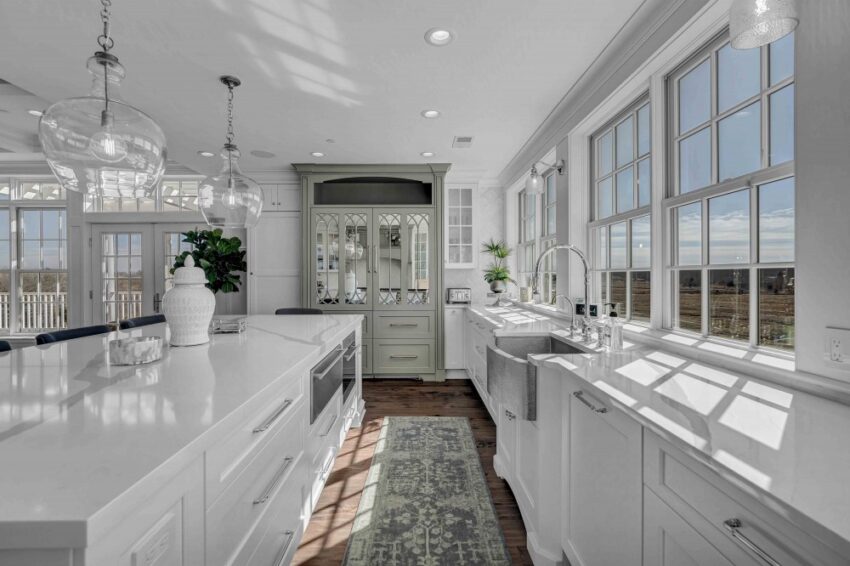
A backsplash offers an opportunity to introduce color, pattern, or texture without covering an entire room. Ceramic, porcelain, glass, and natural stone each bring a different effect.
Glazed ceramic can create a softly varied backdrop. Glass can add shimmer or a crisp accent. Porcelain offers a wide range of understated and expressive looks, while natural stone brings individual character through its veining and tonal variation.
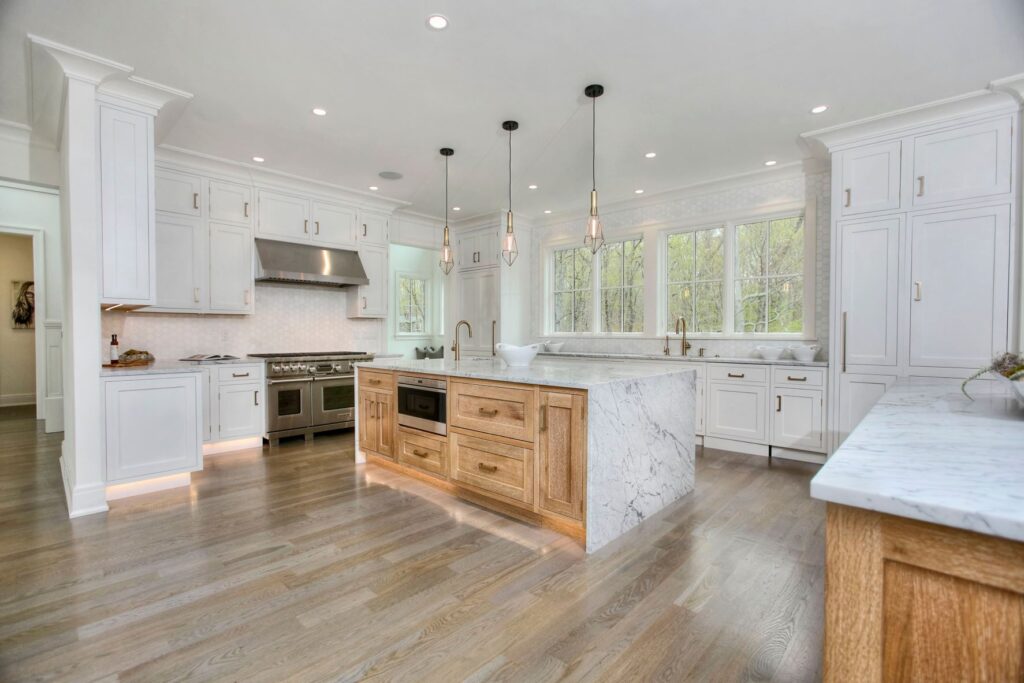
To narrow your choices, start with the countertop. If it has bold veining or a lot of color variation, a simpler backsplash can keep the space from feeling too busy. If the countertop is more uniform, a patterned mosaic or textured tile can become the focal point.
The layout matters, too. A rectangular tile takes on a different personality when installed in a horizontal running bond, vertical stack, or herringbone pattern. Grout that closely matches the tile softens the layout; contrasting grout emphasizes its geometry.
Consider cleanup before making a final selection. Cooking splashes and sink spray are part of daily life, and raised textures or intricate mosaics may take more effort to clean than a smooth surface. Review the product’s care instructions, particularly when choosing natural stone behind a cooking area.
Bathroom and Shower Walls: Choose Your Scale
Bathroom walls offer room to explore both expansive surfaces and smaller, detailed patterns. The best choice depends on the atmosphere you want and the room’s layout.
Large-Format Tile and Slabs
Large-format tile and porcelain slabs create broad stretches of surface with fewer grout joints. They can highlight dramatic veining or establish a quiet, consistent backdrop.
Fewer joints also mean less grout to maintain, although the surface still needs regular cleaning. Seams, corners, and appropriate movement joints remain part of the finished installation.
Plan around niches, benches, and fixture locations before ordering. With a strongly patterned surface, cuts and placement influence how the design flows. Large-format tile and slabs also require careful preparation and an installer experienced with the selected product.
Smaller Tiles and Mosaics
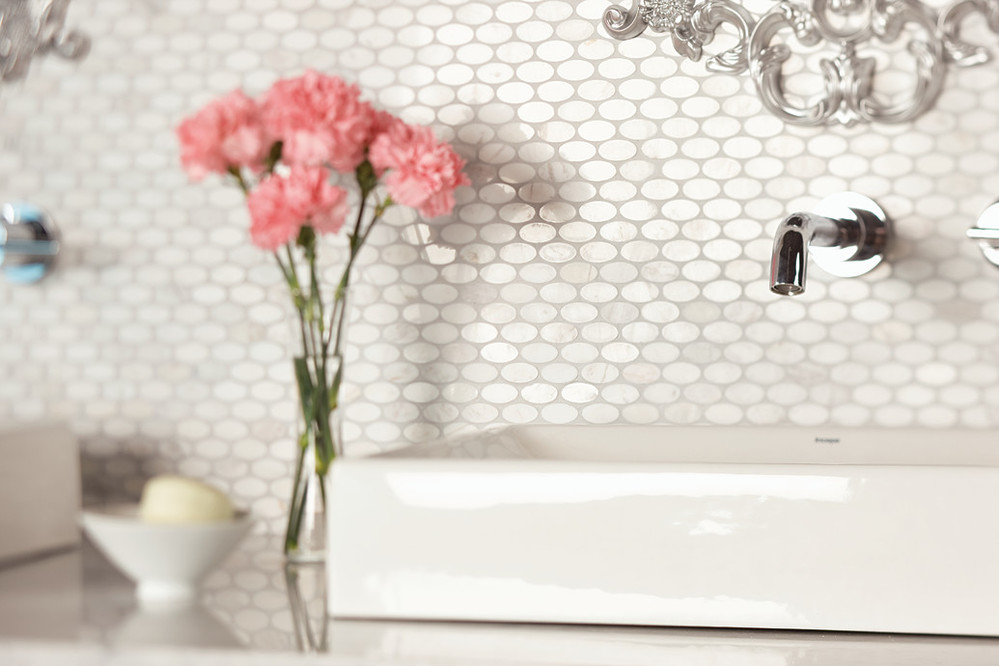
Smaller tiles introduce rhythm, texture, and detail. They can cover an entire shower wall or define a niche, accent wall, or vanity backsplash.
To keep the room connected, repeat a color or undertone across the different surfaces. For example, a mosaic with warm white and beige tones can complement a quieter stone-look wall tile without matching it exactly.
Ceramic, porcelain, natural stone, and certain glass products can offer wall applications, but every selection should be checked for its intended use. Natural stone may involve additional sealing and specialized cleaning. In a shower, the tile is only one part of the assembly: proper waterproofing behind it is essential.
Bathroom and Shower Floors: Put Function First
A tile that looks beautiful on a wall may be unsuitable for a floor. Start by confirming that the product is rated for the specific location, then consider its finish, care requirements, and how it will feel underfoot.
For bathroom floors, look for a surface appropriate for areas that may get wet. Don’t assume that every matte or textured tile provides adequate slip resistance, or that every polished tile performs the same way. Ask for guidance on the exact product.
Shower floors require additional planning because the tile must work with the slope and drain configuration. Smaller mosaics can accommodate the slopes of many shower-floor layouts. Larger tiles may also be possible with certain designs, but their use needs to be coordinated with the installer.
More grout joints do not automatically make a mosaic slip-resistant. The tile’s suitability for shower-floor use remains essential.
Natural stone can also be an option, but consider its specific maintenance needs alongside those of ceramic and porcelain. Choose a floor you’ll be comfortable caring for as well as one you enjoy looking at.
See Your Selections Together in our Connecticut Showrooms
Online images are useful for gathering ideas, but they can’t fully convey texture, sheen, color variation, or scale. Seeing tile in person helps you understand how those qualities work together.
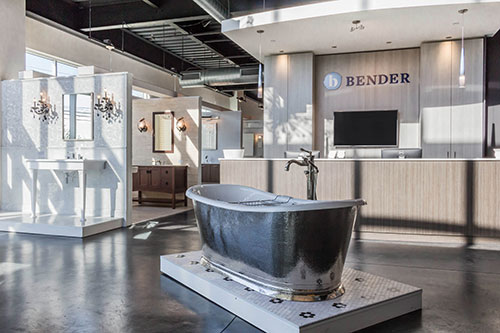
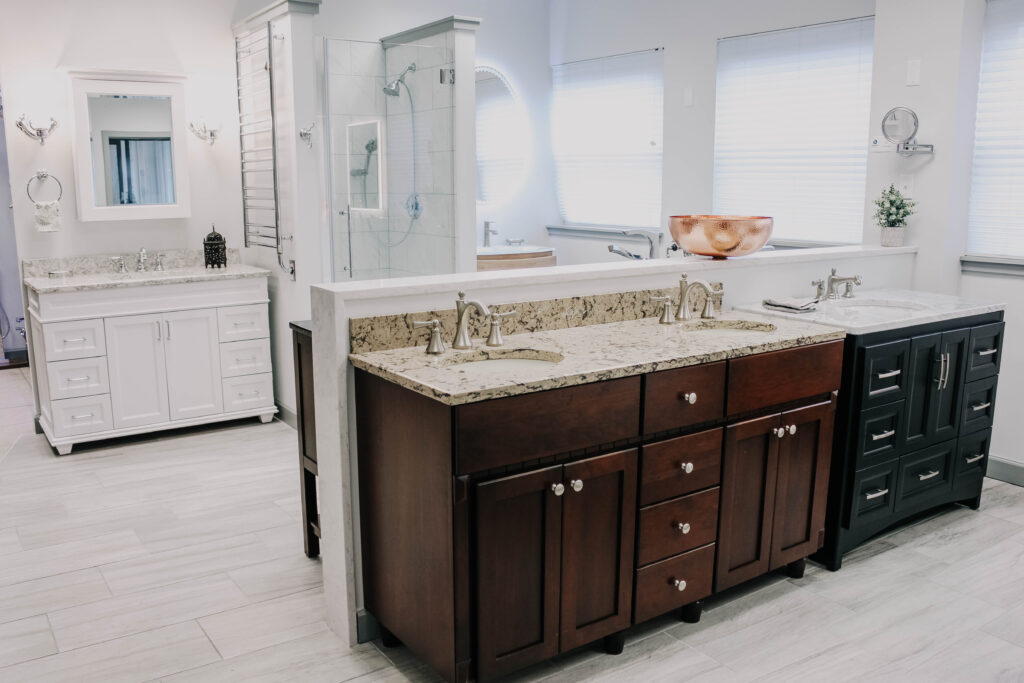
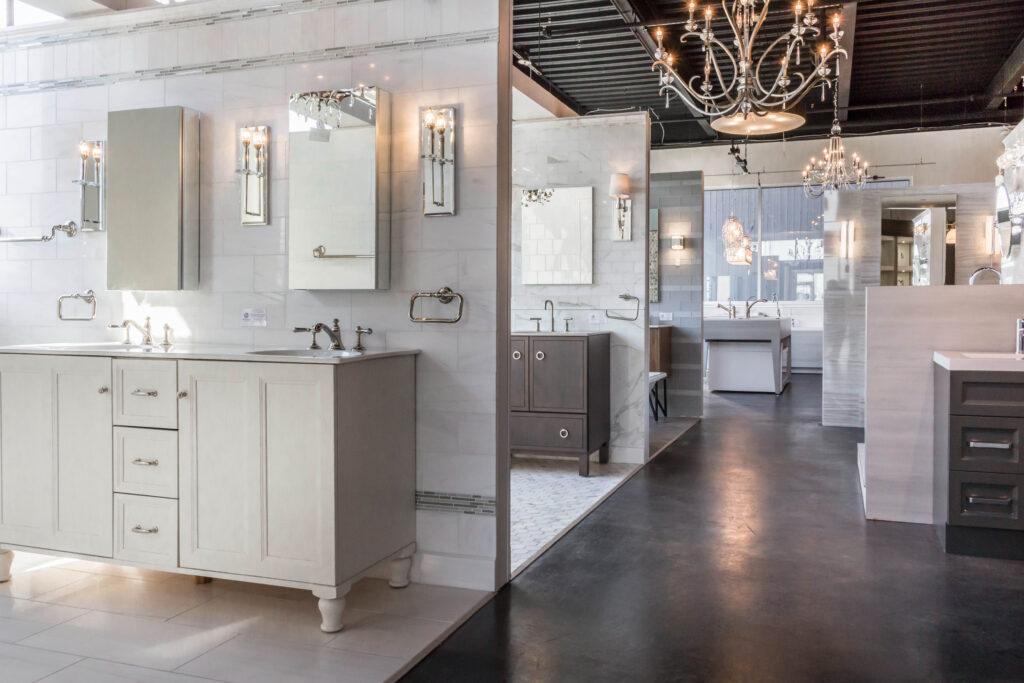
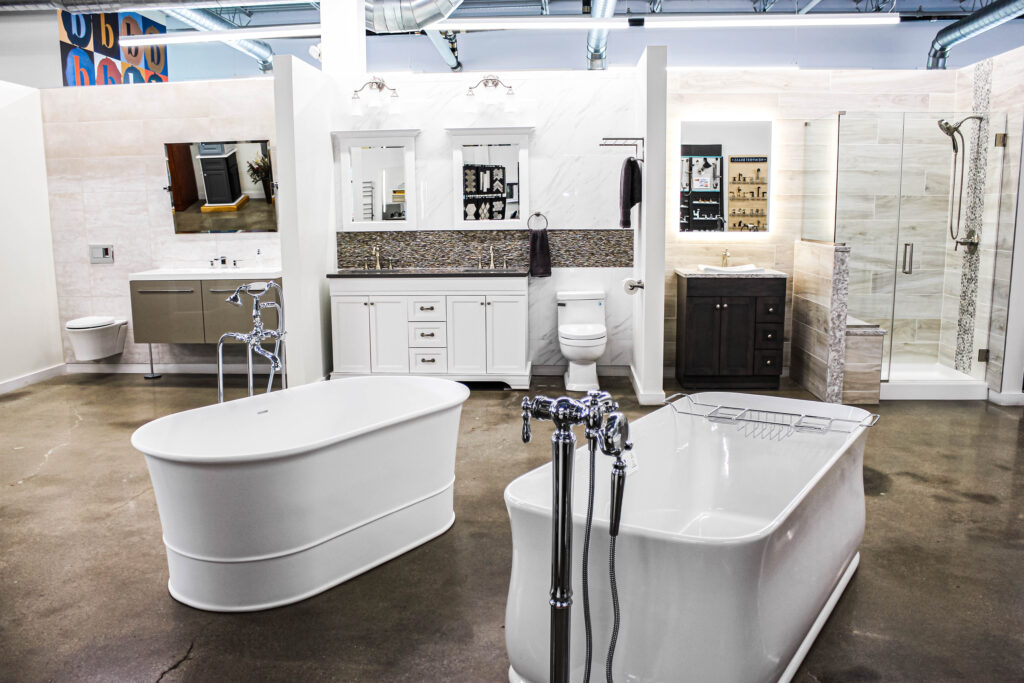
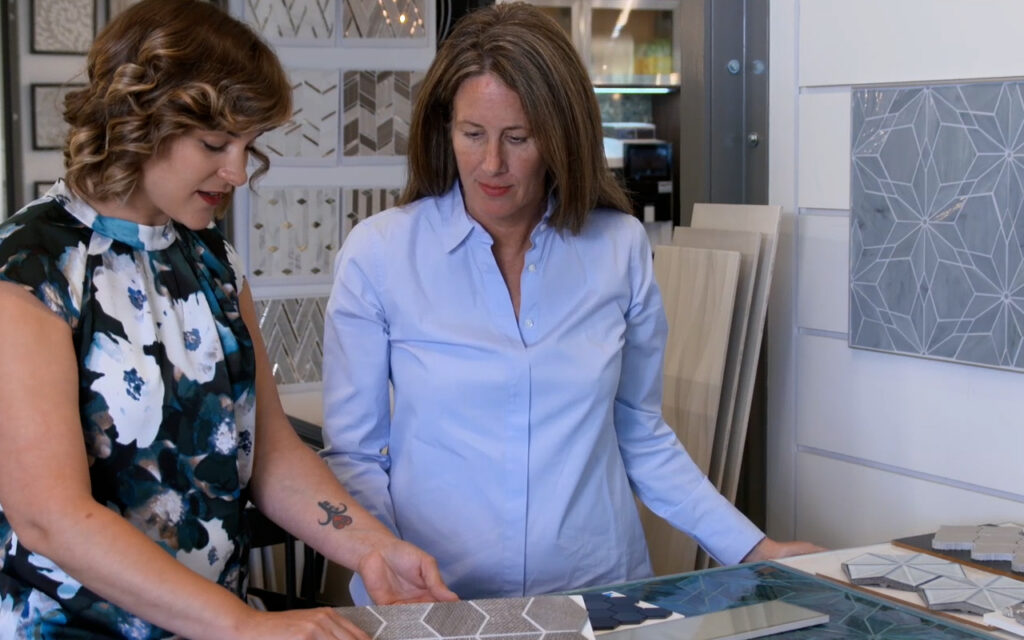
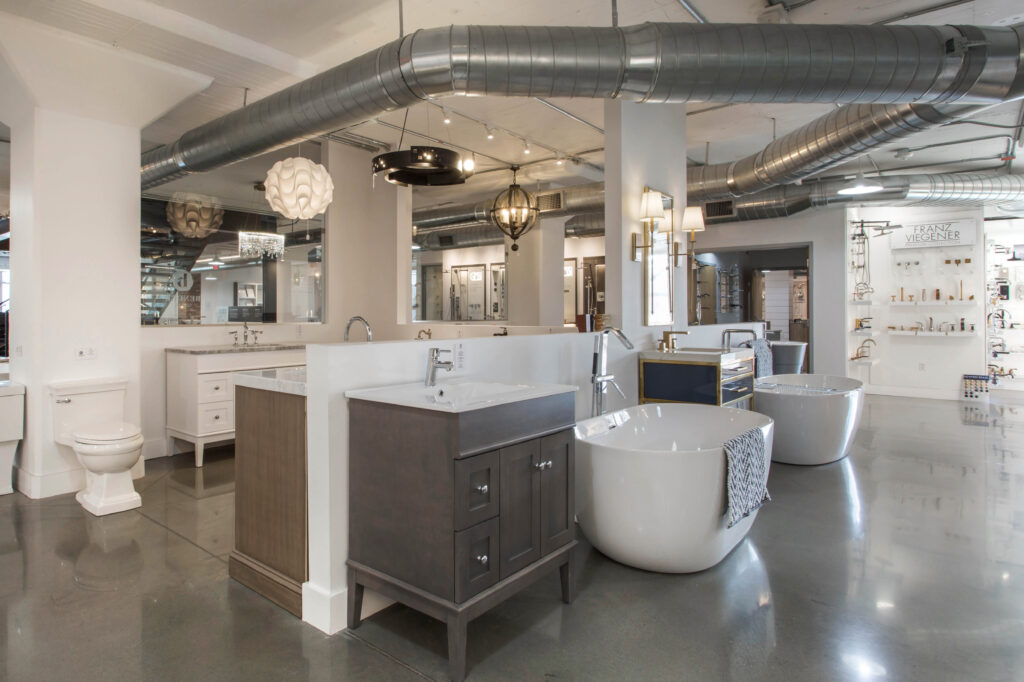
Showroom vignettes provide context for layouts and material combinations. Samples let homeowners and interior designers compare individual selections alongside cabinetry, countertops, paint, and other finishes.
Bring room photographs, dimensions, inspiration images, and any materials you’ve already chosen. A showroom consultant can help you explore coordinating sizes, mosaics, and trim pieces while discussing product suitability, care, and lead times.
When possible, review samples at home under daylight and evening lighting before making your final decision.
Find Tile That Fits Your Space at Bender
The best tile choice connects appearance with purpose, from an easy-to-clean kitchen backsplash to a thoughtfully planned shower floor.
Visit one of Bender’s four Connecticut showrooms in New Haven, Waterbury, Norwalk, or Hartford, to explore tile and stone and discuss your project with a showroom consultant.