



Design trends come and go, but natural stone remains a constant. While homeowners have more material choices than ever before, natural stone continues to stand apart for its authenticity, uniqueness, and longevity.
Every slab and tile is one of a kind. The veining of marble, movement of quartzite, texture of slate, and character of limestone are products of nature that cannot be fully replicated by manufactured materials. This individuality creates spaces that feel distinctive, timeless, and deeply connected to the natural world.
Used in architecture and design for centuries, natural stone has the rare ability to feel both timeless and current, making it equally at home in traditional, transitional, and contemporary spaces.
How Natural Stone Fits Today’s Design Trends
One of the reasons natural stone continues to thrive is its ability to evolve alongside changing design preferences.
Large-Format Applications
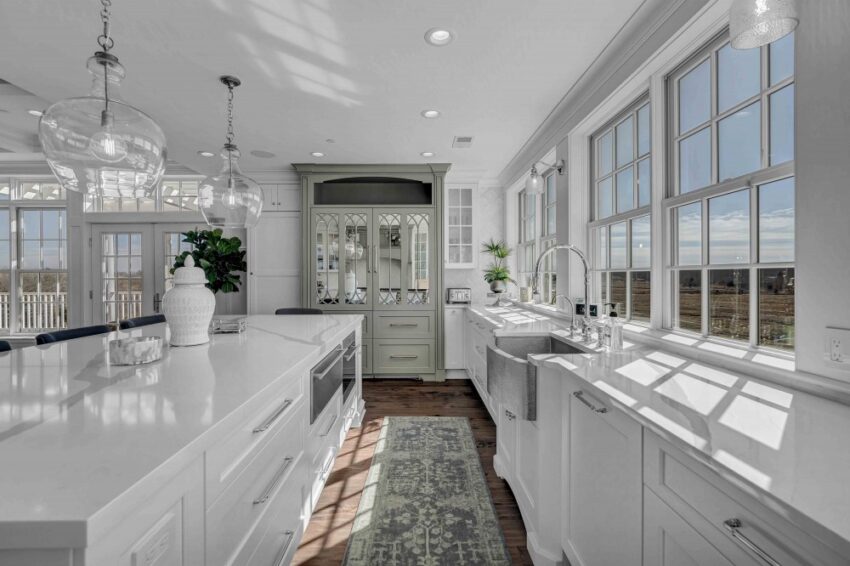
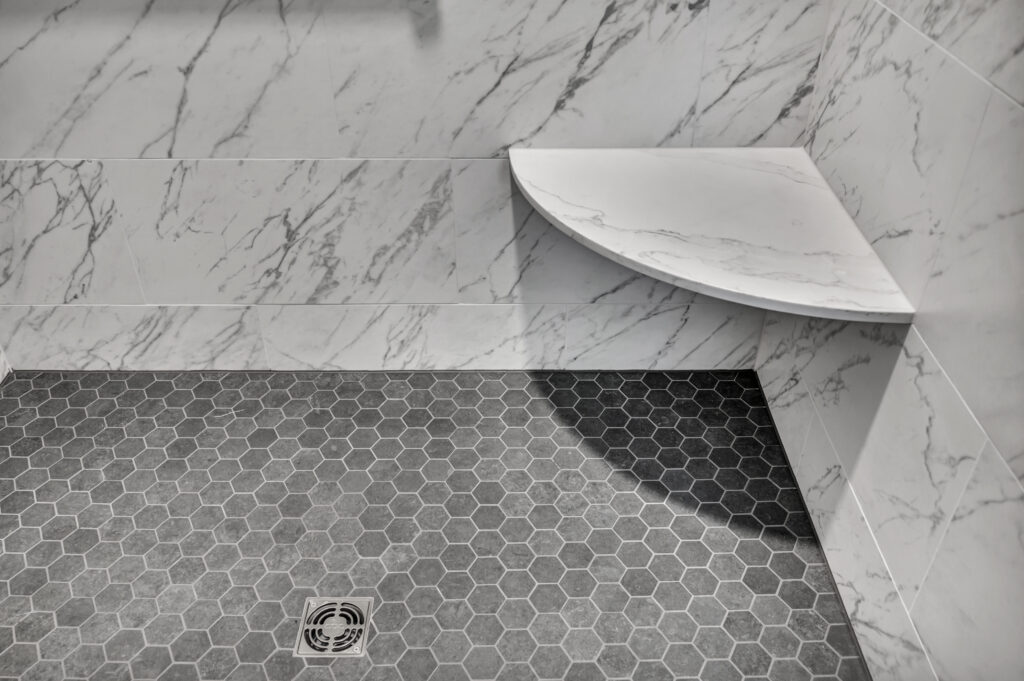
Today’s homeowners increasingly favor clean lines and expansive surfaces. Large-format stone slabs are being used beyond countertops, extending into shower walls, fireplace surrounds, backsplashes, and feature walls to create a seamless, sophisticated look.
Statement Materials
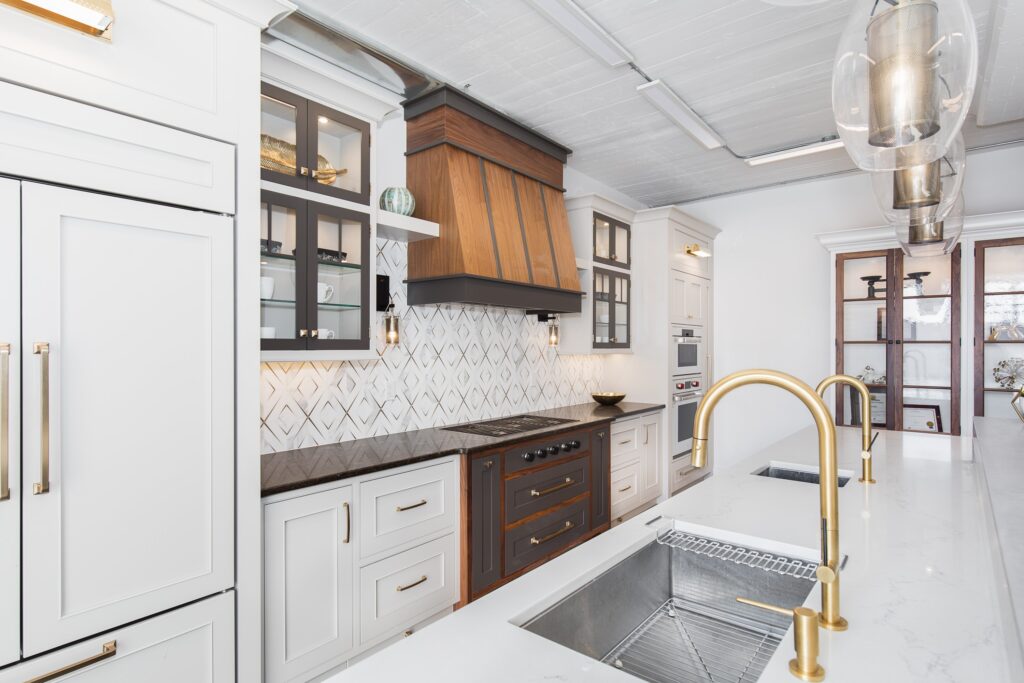
Designers are embracing bold, expressive materials that become focal points within a space. Dramatic quartzites, richly veined marbles, and stones with striking natural movement bring visual impact to kitchens, bathrooms, and living areas.
Nature-Inspired Design
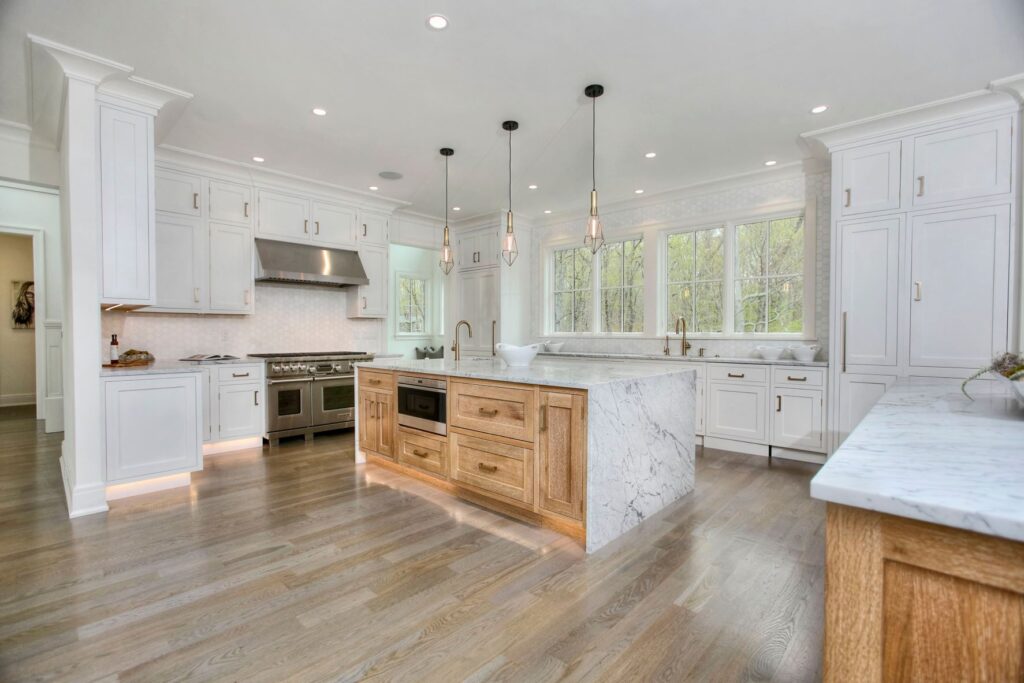
As homeowners seek environments that feel calming and connected to nature, natural materials have become increasingly important. Stone pairs beautifully with wood, metal, and natural textiles while adding texture, warmth, and visual depth.
Indoor-Outdoor Living
Natural stone is uniquely suited for creating continuity between indoor and outdoor spaces. Similar materials can be carried from interior floors and walls to patios, outdoor kitchens, pool areas, and landscape features, creating a cohesive architectural experience.
Natural stone’s strength is not that it resists trends—it’s that it evolves alongside them.
Versatility Meets Performance
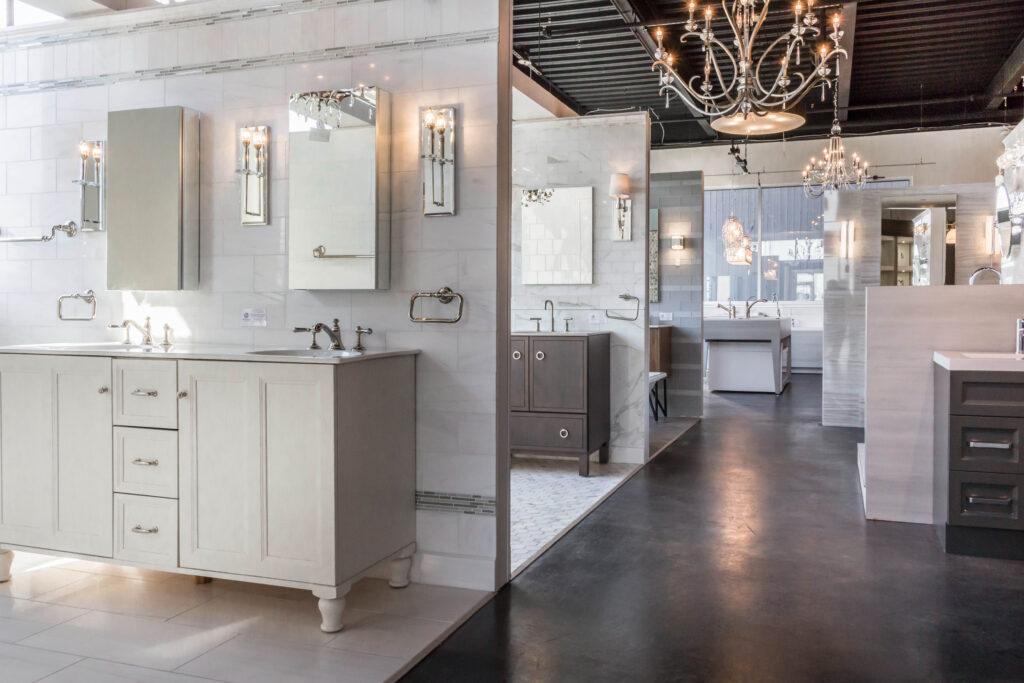
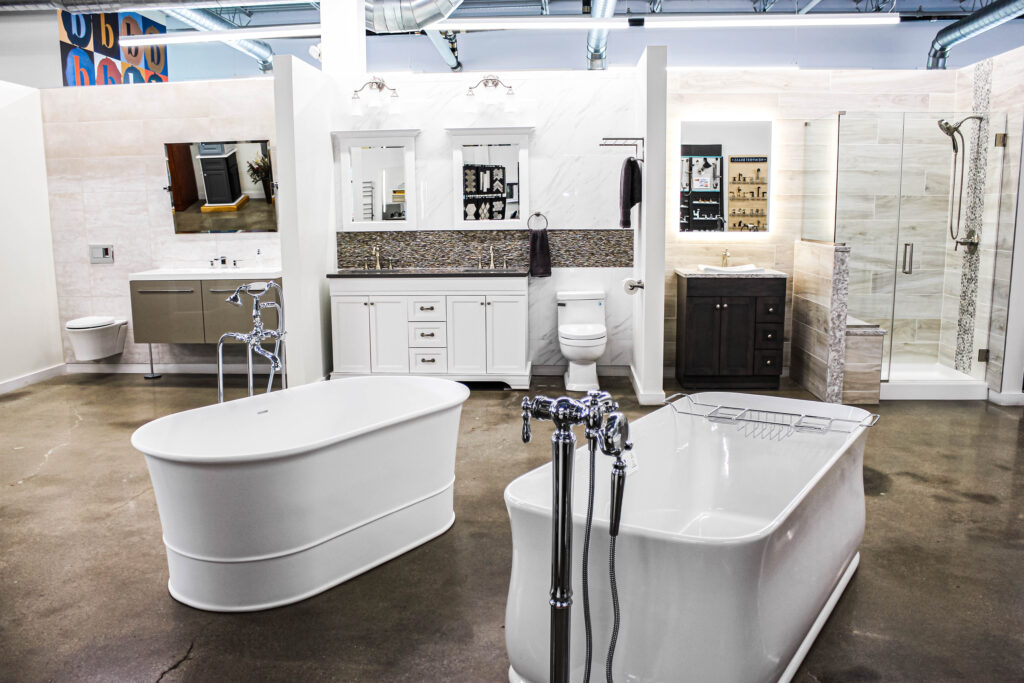
Few materials offer the design flexibility of natural stone. Designers often use stone throughout a project to create visual continuity across countertops, fireplace surrounds, feature walls, flooring, and outdoor living spaces.
Successful stone selection, however, requires more than aesthetics. Factors such as traffic levels, moisture exposure, maintenance expectations, and environmental conditions all influence which material is best suited for a particular application. The most successful projects balance design goals with real-world performance requirements.
Matching Material Characteristics to Design Intent
With performance requirements established, the focus shifts to selecting a stone that supports the project’s design goals. From the timeless luxury of marble and the durability of quartzite to the warmth of limestone, versatility of granite, and natural appeal of slate and sandstone, each material brings unique characteristics to a space. The best choice balances aesthetic vision with the way the space will be used.
Looking Beyond Today’s Trends
While design trends will continue to evolve, natural stone remains one of the few materials capable of bridging current aesthetics with long-term value. Its ability to complement a wide range of architectural styles while maintaining its beauty and performance makes it a lasting choice for builders, designers, and homeowners alike.
For those looking to create spaces that feel current today and timeless tomorrow, natural stone continues to be one of the most versatile and enduring materials available.
This article was featured in the July issue of Building Connections. To view the full article, click here.